

What does “Tiny House” mean?
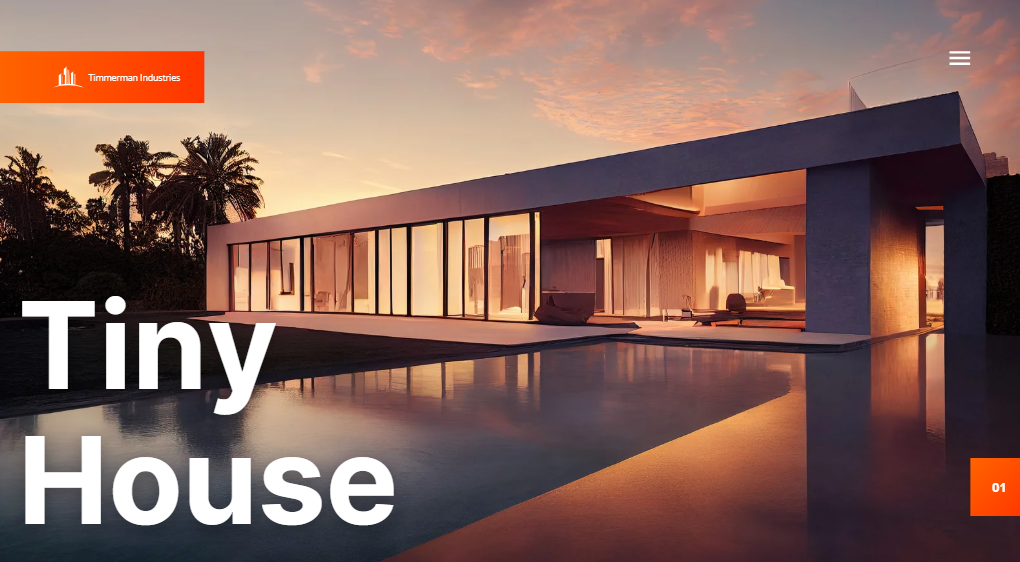
A tiny house is a small home that is much smaller than a normal house. Usually, tiny houses have only some 100 to 400 square feet (and sometimes up to 600–1000 ft²) of living space.
The idea behind a tiny house is to live simply—with fewer rooms, fewer things, and less space—but still have a full living space (like sleeping, cooking, and bathing).
ALSO READ : Joe Burrow
Some tiny houses are built on a foundation; others are built on wheels, making them portable like a trailer.
The idea of many tiny houses belongs to the larger movement called the Tiny‑house movement, which encourages simpler, smaller, and more sustainable living.
Why People Choose Tiny Houses—Main Benefits
✅ Lower Cost and Financial Freedom
- Building or buying a tiny house usually costs much less than a normal house.
- Utility bills are smaller: heating, electricity, and water all cost less because there is less space to heat or cool.
- Maintenance is easier. With fewer rooms and less space, cleaning and repairs take less time and money.
- Some people can pay for a tiny home fully instead of having a long-term mortgage. This helps them avoid big debts.
✅ Eco-Friendly and Simple Lifestyle
- Tiny houses often use fewer building materials and less energy, which means a smaller environmental footprint.
- Many owners choose eco-friendly designs: solar panels, efficient water use, and compact energy systems—this supports a more sustainable life.
- Living in a tiny house encourages minimalism: you keep only what you need, which can lead to less stress, easier organization, and a clearer mind.
✅ Flexibility and Less Hassle
- Smaller space means less cleaning and less time spent on maintenance—giving you more time for other things like hobbies, work, family, or travel.
- For tiny houses on wheels, they can offer mobility. That means if you like change—moving to new places—a tiny house can make that easier (depending on local laws).
- Living tiny often helps people adopt a simpler life—fewer distractions, fewer items to manage, and more focus on what really matters.
What Are the Challenges—Things to Know Before Going Tiny
⚠️ Very Limited Space & Storage
- Because tiny houses are small, you must give up extra space. There is not much room for many belongings, big furniture, or extra items.
- Having guests, storing seasonal items, or even having a separate workspace can be difficult.
⚠️ Privacy and Comfort Can Be Limited
- With small space, privacy can be hard—thin walls, shared rooms, or open layouts mean less personal space.
- Bathrooms, kitchens, and living areas are often compact. You may not get big appliances, a big kitchen, or a full-sized bathtub—you need to adapt.
⚠️ Legal and Zoning Problems
- In many places, local building codes and zoning laws make it hard to declare a tiny house as a “normal home.” Some laws demand a minimum size for homes.
- If the tiny house is on wheels (like a trailer), some areas treat it as a recreational vehicle (RV), not a permanent home. This can limit where you can park or live.
⚠️ Not Always Easy to Resell or Finance
- Tiny houses are still a niche—not everyone wants one. So, if you want to sell later, it might not be so easy to find a buyer.
- Getting a mortgage or loan for a tiny house can be harder than for a regular home. Insurance and financing options may also be limited.
Who Might Like a Tiny House—What Kind of Person It Fits
Tiny houses can be a good fit if you:
- Don’t have many belongings, and you like a simple life.
- Want to save money on housing and utilities.
- Care about the environment and want to live sustainably.
- Prefer low maintenance and less cleaning work.
- Want flexibility—possibly travel or move without heavy costs (if the tiny home is mobile).
- Are okay with small space, minimal privacy, and simpler living arrangements.
Tiny living might not be the best choice if you have a large family, many possessions, or want big spaces, big kitchens, large bathrooms, and lots of privacy.
Frequently Asked Questions (FAQ) about Tiny Houses
Q: What size is considered a “tiny house”?
A: Most tiny houses are between 100 and 400 square feet; some use up to 600 ft² or even 1000 ft.—but once a house grows too big, many consider it more a “small house” than a “tiny house.”
Q: Are tiny houses cheaper than normal houses?
A: Yes—generally tiny houses cost far less to build or buy than traditional houses. Utility bills and maintenance costs are also lower because of the small size.
Q: Can you live comfortably in a tiny house?
A: Yes—many people live comfortably in tiny houses, especially if they value simplicity, minimal belongings, and don’t mind small spaces. But you must be ready to adapt: less storage, smaller rooms, and fewer traditional amenities.
Q: Is a tiny house good for the environment?
A: Usually yes—tiny houses use fewer materials to build, consume less energy to heat or cool, and often allow eco-friendly designs (solar panels, efficient appliances, less waste).
Q: Are there any legal problems with living in a tiny house?
A: It depends on where you live. Some places have laws and zoning rules that make tiny-house living hard or even illegal, especially tiny houses on wheels. It’s important to check local rules before you commit.
Conclusion—A Different Way to Live
Tiny houses offer a simple, affordable, and eco-friendly alternative to traditional houses. For people who value simplicity, freedom, and smaller costs, tiny living can bring many benefits—less spending, less maintenance, and more mindful living.
However, tiny-house life is not just about space—it’s about trade-offs. You give up some privacy, storage, and sometimes comfort. You may face legal limits or difficulties with resale.
