


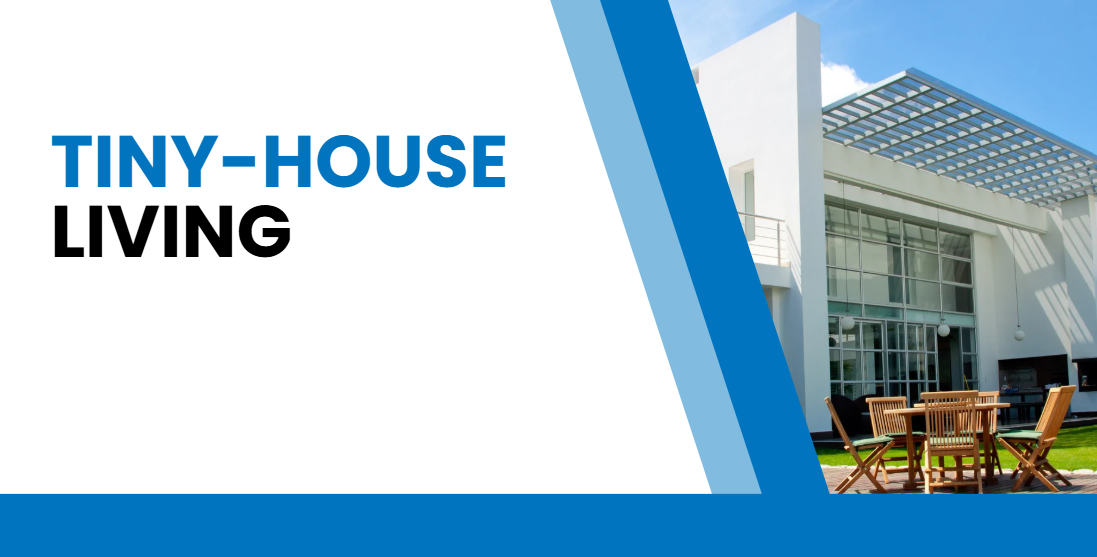
What Is Tiny-House Living?
Tiny-house living means living in a small home—often much smaller than a typical house. Such homes are usually designed to use very little space, and sometimes they are built on wheels so they can move.
ALSO READ : Joe Burrow
The idea behind tiny houses is part of a broader movement called the Tiny‑house movement. This movement encourages people to simplify life, use fewer resources, and live with less but in a more meaningful way.
Tiny houses often range from about 100 to 400 square feet. Some definitions stretch a bit higher—up to 600 or even 1000 square feet—but the main idea stays: it’s a compact home that makes use of small space very carefully.
Why Do People Choose Tiny Houses?
There are many good reasons why people pick tiny-house living.
- Lower cost—Tiny houses usually cost much less to build or buy than a regular house. They also cost less to run because you use less electricity, water, heating, or cooling.
- Save money long-term—Because of lower bills and smaller expenses, people who live in tiny homes often save money, which they can spend on experiences instead of home costs.
- Environmentally friendly and sustainable—Tiny homes use fewer building materials. They need less energy to heat or cool, and many are designed to be energy-efficient or even off-grid (for example, using solar energy).
- Minimalist and simple life—Living in a small space forces you to think about what you really need. You keep only what matters. This can reduce clutter and stress.
- Flexibility and mobility—Some tiny houses are built on trailers. This means you can move them if needed or even travel while carrying your home with you. It gives freedom and a sense of adventure.
For many people, tiny-house living means gaining freedom—freedom from big mortgages, from large bills, and from needless consumption. It often fits those who value experience over stuff and who like a simple lifestyle.
What Are the Challenges of Tiny Living?
Tiny-house living is not perfect—there are also difficulties and trade-offs.
Limited Space and Storage
Because the home is small, you must give up many things. There is less room for furniture, for hobbies, and for large kitchens or storage areas. You may need to slim down your belongings a lot.
If you are used to a roomy house, or if you have many possessions, or pets, or children—tiny house life can feel cramped or even stressful over time.
Limited Privacy and Comfort
Tiny houses often mean living very close to whoever else lives with you. Because spaces are shared and small, privacy becomes harder. This can feel tight when you want quiet time or when more people are in the house.
Bathrooms, kitchens, living space—everything is compact. That means less comfort compared to a full-size home.
Legal and Zoning Issues
In many places, building codes or local laws may not allow tiny houses. Some places treat them like RVs, not houses. So you must check local laws—sometimes tiny homes are not allowed to be lived in full time or stay for long on certain lands.
Also, getting financing or insurance for tiny houses can be more difficult than for normal houses.
Trade-offs in Amenities
Tiny houses may lack amenities we take for granted—big kitchens, large closets, full bathrooms, laundry rooms, guest rooms, and big gardens. What you get in comfort, you lose in space.
For some people, especially families or those used to more space, these sacrifices may be too big.
Who Could Tiny-House Living Be Good For—and Who Might Struggle?
Tiny-house life tends to fit better for certain kinds of people or situations:
Good for:
- Singles or couples without children—fewer people means a small space is easier to live with.
- People who value travel or mobility—especially if the house is on wheels.
- Those who want to live simply, with fewer expenses and less environmental impact.
- People wanting to save money or reduce debt.
- Those comfortable with minimalism and willing to adapt habits.
Not ideal for:
- Big families—children require space and storage.
- People with many belongings, hobbies, or need for privacy.
- Those who want comfort, space, big kitchens, guest rooms, etc.
- People living in areas with strict building/zoning laws.
What Makes a Good or Bad Tiny House?
If you plan to build or live in a tiny house, there are things to consider carefully:
✅ What makes it good:
- Smart layout and design (multi-purpose furniture, vertical storage, convertible furniture).
- Good insulation, proper ventilation, and efficient use of energy—so that small space doesn’t feel too tight or too hot/cold.
- Minimal but well-thought possessions to avoid clutter.
- Realistic expectations—knowing what you give up (space, luxury) and what you gain (simplicity, savings).
⚠️ What can go wrong:
- Overstuffing the house and losing comfort.
- Ignoring local laws—leading to legal problems or a forced move.
- Not planning utilities or maintenance—may lead to discomfort or long-term issues.
- Assuming small cost always means no problems—tiny houses still need care and upkeep.
FAQs
Q: What exactly counts as a “tiny house”?
A: There is no universal rule. Often tiny homes are between 100 and 400 square feet. Some people call houses slightly larger “small houses.”
Q: Are tiny houses more eco-friendly than regular houses?
A: Yes—tiny houses generally use fewer materials to build, use less energy to heat or cool, often use less water, and can even run on solar power in some cases.
Q: Do tiny houses save money?
A: Usually yes. They cost less to build or buy, have lower utility bills, and require less maintenance. This makes them popular with people trying to save or live with a small budget.
Q: Can I live in a tiny house anywhere?
A: Not always. Local laws, zoning rules, and building codes may restrict tiny houses—especially those on wheels or very small. It’s important to check before deciding.
Q: Is tiny-house living good for a family with children?
A: It depends. For small families or one child, maybe. But for larger families, tiny houses usually feel too cramped. There may not be enough rooms, storage, or privacy.
Q: Is life in a tiny house always comfortable?
A: Not always. Comfort depends on design, climate, and how well you adapt. Compact space, small amenities, limited privacy—these are trade-offs you make.
